On this page
What you gain
- Start with lawn size, layout and storage
- Compare ownership effort before features
What to check
- Allow for slopes, access and thick grass
- Check total kit and maintenance costs
If you get that wrong, you feel it every week. You end up dragging around too much machine, fighting with a cord in a yard that is too awkward for it, or paying premium money for features you barely use. This guide will help you avoid that.
Step 1: Start with yard size
Yard size should be the first filter because it eliminates a lot of bad options quickly.
- Tiny yard: reel mower or compact electric mower
- Small yard: corded or cordless walk-behind mower
- Small to medium yard: cordless mower starts to make the most sense
- Medium yard: self-propelled cordless mower is often the sweet spot
- Large yard: riding mower, zero-turn, or a very capable battery/gas setup depending on layout
A lot of buyers overspend because they imagine edge cases instead of buying for their actual normal routine.
If your lawn falls into the tiny or small-yard range, use the Small Yard Lawn Mower Hub before comparing full-size mowers. It keeps the decision focused on compact mower fit, storage, and realistic runtime.
Step 2: Decide how much hassle you can tolerate
This matters more than people admit. Gas mowers can still work well, but they come with friction: fuel, oil, storage, winter prep, pull starts, noise, and extra maintenance. If you hate hassle, do not talk yourself into gas just because that used to be the default.
For most homeowners, cordless is now the easiest all-around answer. Corded can also be low-hassle if your yard is small and simple. Reel is the lowest-maintenance option of all, but only if your lawn size and grass type make it practical.
Step 3: Look at your yard layout, not just its size
Two yards can be the same size and need completely different mowers.
Ask yourself:
- Do you have tight corners?
- Do you have trees, beds, and obstacles?
- Do you have slopes?
- Do you have one simple rectangle or a fragmented layout?
If your layout is awkward, cords become more annoying and maneuverability becomes more important. If your lawn is hilly or uneven, self-propelled drive becomes much more attractive.
Step 4: Be honest about your grass
Not all lawns are equally demanding. Thick, fast-growing grass pushes you toward better-powered cordless or gas options. Light, well-maintained grass gives you more freedom to choose cheaper or simpler tools.
If your lawn gets shaggy quickly, do not buy the weakest possible mower and expect it to feel good. If your grass is light and you mow frequently, you can often get away with a smaller and cheaper solution.
Step 5: Think about storage
Storage is one of the easiest things to ignore when buying and one of the most annoying things to regret later. A bulky mower in a cramped garage or shed becomes a recurring irritation.
If space is limited, look for:
- folding handles
- compact deck size
- lightweight design
- multi-use tools for tiny lawns
Step 6: Pick the mower type that fits your reality
Cordless mowers
Best for: most homeowners.
Why choose one:
- easy to start
- low maintenance
- quiet compared with gas
- best balance of convenience and performance
Main downside: higher upfront cost.
Corded electric mowers
Best for: small, simple lawns and tighter budgets.
Why choose one:
- lower cost
- simple ownership
- no battery issues
Main downside: dealing with the cord.
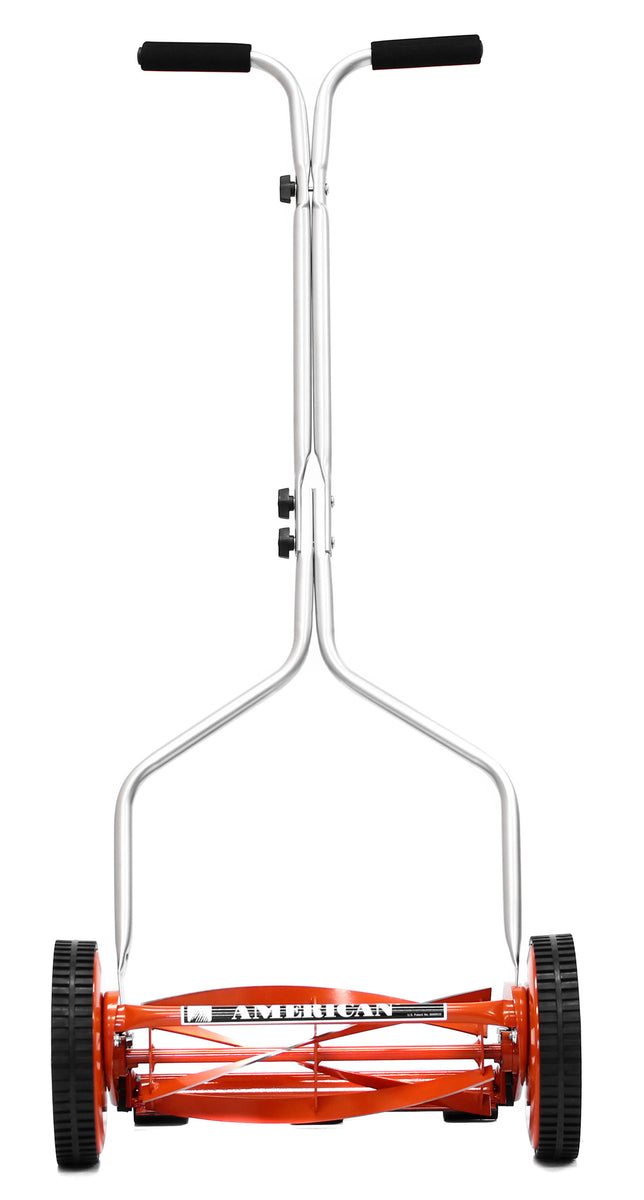
Reel mowers
Best for: tiny, flat lawns with frequent mowing.
Why choose one:
- very low cost of ownership
- quiet
- no fuel, battery, or electricity needed
Main downside: not good for thick, tall, or neglected grass.
Gas mowers
Best for: certain larger or heavier-duty use cases.
Why choose one:
- long-established power and runtime
- still useful in some demanding scenarios
Main downside: more maintenance, more noise, more friction.
Step 7: Decide whether self-propelled is worth it
If your lawn is more than tiny, self-propelled drive is often worth paying for. It reduces fatigue, especially on slopes or larger areas, and makes the chore less annoying. If your lawn is very small and flat, you can probably skip it.
A good rule: the larger or harder your yard feels, the more valuable self-propulsion becomes.
Step 8: Consider the battery ecosystem
If you are buying cordless, the mower is only part of the decision. The battery platform matters too. If the same batteries power a blower, trimmer, hedge trimmer, or chainsaw, your overall yard setup becomes easier and more economical over time.
This is one reason premium cordless brands can make sense. You are not just buying a mower. You are potentially buying into a tool system.
Common mistakes people make
- Buying too much mower for a tiny lawn
- Choosing gas out of habit instead of need
- Ignoring storage constraints
- Underestimating how annoying a cord can be in a complex yard
- Buying the cheapest mower for thick, fast-growing grass
- Overpaying for premium features they will barely use
Best mower by situation
- Best for most people: cordless mower
- Best for budget small yards: corded electric mower
- Best for tiny lawns: reel mower or compact electric mower
- Best for slopes and more demanding yards: self-propelled cordless mower
Bottom line
The best lawn mower is the one that matches your real yard and your real habits. Most people should start with cordless. Budget buyers with small lawns should look hard at corded models. Tiny-lawn owners should not ignore reel mowers.
If you buy based on your actual use instead of outdated assumptions, you will probably spend less and enjoy mowing more.