Categoría: Lawn Mower Tips

Practical lawn mower tips, maintenance guidance, and evergreen advice for choosing and using a mower.

  • What Size Lawn Mower Do I Need?

    What Size Lawn Mower Do I Need?

    The right lawn mower size depends mostly on your yard size, layout, and how much cutting power you actually need. For many homeowners, buying a mower that is too large is just as unhelpful as buying one that is too weak.

    Quick answer by yard size

    • Tiny yards: reel mower, compact electric mower, or very small cordless mower
    • Small yards: 14- to 18-inch deck is often enough
    • Medium yards: around 18- to 21-inch deck usually makes sense
    • Larger residential yards: 21-inch deck or larger, often self-propelled

    Deck size matters more than many people think

    The cutting deck affects how much grass you cut with each pass. A larger deck can save time on open lawns, but it can also make storage harder and feel clumsy in tight spaces.

    If your yard has narrow passages, obstacles, garden beds, or sharp turns, a slightly smaller mower may be easier to live with even if it takes a little longer to mow.

    Compact lawn mower for small yards
    Compact mowers make the most sense when your lawn is small and storage space is limited.

    Small yards

    If your lawn is small, you usually do not need a large premium mower. A compact cordless mower, corded electric mower, or even a reel mower may be enough.

    Best fit: lightweight mowers, easier storage, smaller decks

    Medium yards

    For medium-size lawns, cordless mowers with enough runtime are usually the best balance. This is where a typical 18- to 21-inch mower starts to make sense.

    Best fit: cordless models with decent runtime and a practical cutting width

    Larger cordless mower for medium to large yards
    Larger residential yards usually benefit from stronger battery capacity, wider decks, and easier handling.

    Large yards

    Larger yards usually benefit from wider decks, better battery capacity, and sometimes self-propelled drive. If the property is big enough, runtime and mowing speed start to matter much more.

    Best fit: 21-inch class mowers, self-propelled models, stronger battery systems

    Other factors besides size

    • Terrain: hills and uneven ground may matter more than yard size alone
    • Grass type: thick grass increases power demands
    • Storage: a smaller mower may be smarter if space is limited
    • Budget: bigger mowers often cost more without improving the experience on small lawns

    Final verdict

    Most homeowners should choose a mower sized for their actual yard, not for an imagined future need. If your lawn is small, keep it compact. If your lawn is medium or large, prioritize runtime, cutting width, and ease of use over marketing claims.

  • How Long Do Lawn Mower Batteries Last?

    How Long Do Lawn Mower Batteries Last?

    Lawn mower batteries usually last between 3 and 5 years for many homeowners, though the real answer depends on battery quality, storage habits, charging behavior, and how often the mower is used.

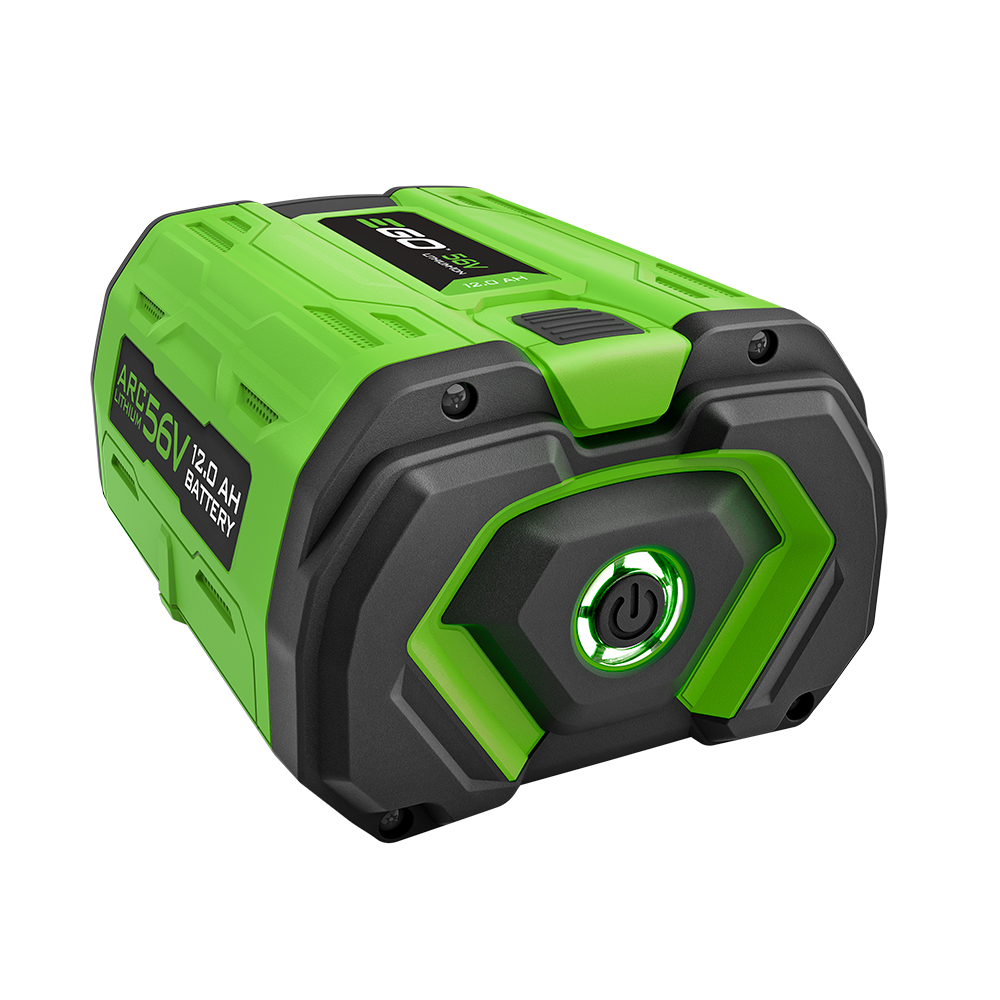
    EGO 56V 12Ah lawn mower battery official product image
    Large-capacity lithium-ion packs like EGO’s 56V 12Ah battery highlight why battery platform quality and pack size matter for mower runtime and long-term ownership.

    Typical battery lifespan

    For most cordless lawn mowers using lithium-ion batteries, you can expect a few years of usable life before noticeable decline. In practical terms, many owners start to notice reduced runtime before total failure.

    • Typical homeowner use: around 3 to 5 years
    • Heavy use or poor storage: shorter lifespan
    • Good care and moderate use: sometimes longer

    How long does one charge last?

    A single charge can last anywhere from about 20 minutes to over an hour, depending on battery size, mower power demands, grass thickness, and yard conditions. Runtime drops faster in tall, wet, or dense grass.

    What shortens battery life?

    • storing batteries in extreme heat or freezing temperatures
    • leaving the battery fully depleted for long periods
    • very frequent heavy-load mowing
    • using incompatible or poor-quality chargers
    • age and repeated charge cycles

    How to make mower batteries last longer

    • Store them indoors in moderate temperatures
    • Charge them with the recommended charger
    • Avoid leaving them empty for long periods
    • Clean mower blades and keep the mower efficient
    • Do not force the mower through overly tall grass every time
    EGO 56V 12Ah battery with charge indicator gauge official image
    A built-in charge indicator makes it easier to avoid deep depletion and plan mowing sessions before runtime drops too far.

    Are replacement batteries expensive?

    Yes, they can be. Replacement batteries are one of the biggest ownership costs of cordless mowers. That is why platform choice matters: if you already own tools in the same battery system, the value improves a lot.

    Final verdict

    Most lawn mower batteries last long enough to make cordless mowers worthwhile, but they are not forever. If you store them well and use them normally, 3 to 5 years is a realistic expectation before meaningful performance drop becomes part of the ownership equation.

  • Are Cordless Lawn Mowers Worth It?

    Are Cordless Lawn Mowers Worth It?

    Yes — for most homeowners, cordless lawn mowers are now worth it. They are quieter, cleaner, easier to start, and easier to live with than gas mowers. For small to medium residential lawns, they are often the best overall option.

    Cordless lawn mower lineup example showing modern battery-powered walk-behind models
    Modern cordless mower lineups cover everything from compact push models to stronger self-propelled options for typical home lawns.

    Why cordless mowers are worth it for many people

    • Less maintenance: no gas, oil changes, spark plugs, or fuel storage.
    • Easier startup: push-button start is simpler than dealing with pull cords.
    • Lower noise: battery mowers are usually less annoying for both you and your neighbors.
    • Cleaner ownership: fewer smells, less mess, and easier storage.

    When cordless mowers make the most sense

    Cordless lawn mowers are especially worth it if you have a small or medium-size yard and want mowing to feel as low-friction as possible. They are also a strong fit if you already own other tools on the same battery platform.

    Best fit: typical home lawns, homeowners replacing older gas mowers, buyers who value convenience

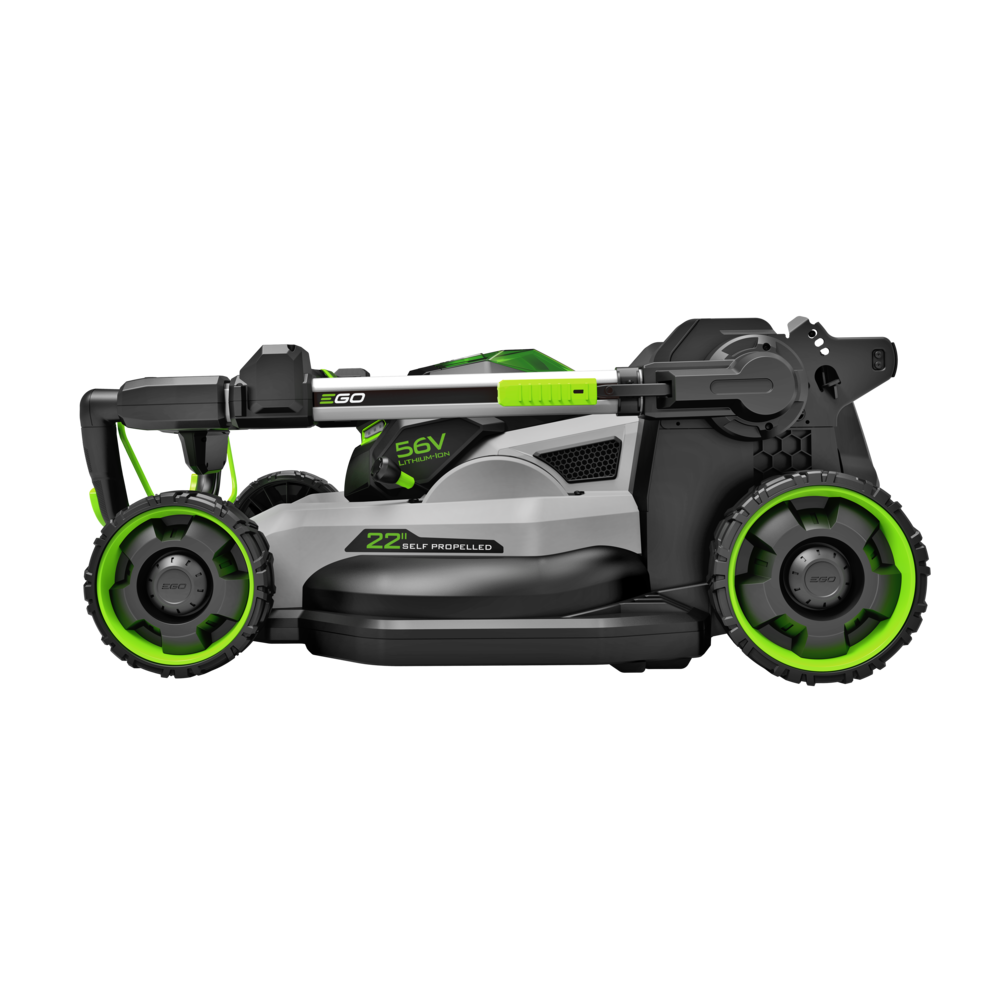
    EGO Power Plus LM2236SP cordless lawn mower official product image
    A modern cordless mower like the EGO LM2236SP shows why battery models now feel practical for many homeowners: strong cut quality, simple startup, and no gas handling.

    When cordless may not be the best choice

    Cordless mowers are not perfect for every situation. If you have a very large yard, extra-thick grass, or want unlimited runtime without battery swaps, some gas mowers may still make more sense. Budget can also be a factor, since good cordless mowers often cost more upfront than basic corded models.

    • very large lawns may need more battery capacity
    • premium battery systems can be expensive
    • runtime matters more if you mow heavy growth

    Are they better than gas?

    For many buyers, yes. Gas still has advantages in some heavy-duty cases, but the average homeowner benefits more from the easier ownership experience of cordless. The biggest shift is not just power — it is convenience over time.

    Are they better than corded electric mowers?

    Usually yes, because they avoid the biggest downside of corded models: cable management. Corded electric mowers can still be a good budget option for very small lawns, but cordless is more flexible and pleasant to use.

    Battery lawn mower example
    Battery mower platforms are often best judged by runtime, cut quality, and ecosystem fit rather than marketing claims alone.

    Final verdict

    Cordless lawn mowers are worth it for most homeowners. If your lawn is small to medium and you want the best mix of performance, convenience, and lower maintenance, cordless is usually the right place to start.

  • How to Choose the Right Lawn Mower for Your Yard

    How to Choose the Right Lawn Mower for Your Yard

    Most people overcomplicate buying a lawn mower. The right mower is not the one with the biggest deck, the most aggressive marketing, or the most features. It is the one that matches your yard, your budget, your storage space, and your tolerance for maintenance.

    If you get that wrong, you feel it every week. You end up dragging around too much machine, fighting with a cord in a yard that is too awkward for it, or paying premium money for features you barely use. This guide will help you avoid that.

    Cordless lawn mower lineup example showing different deck sizes and handle designs
    A cordless mower lineup is a good reminder that deck size, handle layout, and battery platform can matter just as much as raw power when you choose for a real yard.

    Step 1: Start with yard size

    Yard size should be the first filter because it eliminates a lot of bad options quickly.

    • Tiny yard: reel mower or compact electric mower
    • Small yard: corded or cordless walk-behind mower
    • Small to medium yard: cordless mower starts to make the most sense
    • Medium yard: self-propelled cordless mower is often the sweet spot
    • Large yard: riding mower, zero-turn, or a very capable battery/gas setup depending on layout

    A lot of buyers overspend because they imagine edge cases instead of buying for their actual normal routine.

    Step 2: Decide how much hassle you can tolerate

    This matters more than people admit. Gas mowers can still work well, but they come with friction: fuel, oil, storage, winter prep, pull starts, noise, and extra maintenance. If you hate hassle, do not talk yourself into gas just because that used to be the default.

    For most homeowners, cordless is now the easiest all-around answer. Corded can also be low-hassle if your yard is small and simple. Reel is the lowest-maintenance option of all, but only if your lawn size and grass type make it practical.

    Step 3: Look at your yard layout, not just its size

    Two yards can be the same size and need completely different mowers.

    Ask yourself:

    • Do you have tight corners?
    • Do you have trees, beds, and obstacles?
    • Do you have slopes?
    • Do you have one simple rectangle or a fragmented layout?

    If your layout is awkward, cords become more annoying and maneuverability becomes more important. If your lawn is hilly or uneven, self-propelled drive becomes much more attractive.

    Step 4: Be honest about your grass

    Not all lawns are equally demanding. Thick, fast-growing grass pushes you toward better-powered cordless or gas options. Light, well-maintained grass gives you more freedom to choose cheaper or simpler tools.

    If your lawn gets shaggy quickly, do not buy the weakest possible mower and expect it to feel good. If your grass is light and you mow frequently, you can often get away with a smaller and cheaper solution.

    Step 5: Think about storage

    Storage is one of the easiest things to ignore when buying and one of the most annoying things to regret later. A bulky mower in a cramped garage or shed becomes a recurring irritation.

    If space is limited, look for:

    • folding handles
    • compact deck size
    • lightweight design
    • multi-use tools for tiny lawns

    Step 6: Pick the mower type that fits your reality

    Cordless mowers

    Best for: most homeowners.

    Why choose one:

    • easy to start
    • low maintenance
    • quiet compared with gas
    • best balance of convenience and performance

    Main downside: higher upfront cost.

    Corded electric mowers

    Best for: small, simple lawns and tighter budgets.

    Why choose one:

    • lower cost
    • simple ownership
    • no battery issues

    Main downside: dealing with the cord.

    Reel mowers

    Best for: tiny, flat lawns with frequent mowing.

    Why choose one:

    • very low cost of ownership
    • quiet
    • no fuel, battery, or electricity needed

    Main downside: not good for thick, tall, or neglected grass.

    Manual reel lawn mower example for tiny flat lawns and frequent mowing
    Reel mowers make the most sense when the lawn is small, flat, and kept on a tight mowing schedule.

    Gas mowers

    Best for: certain larger or heavier-duty use cases.

    Why choose one:

    • long-established power and runtime
    • still useful in some demanding scenarios

    Main downside: more maintenance, more noise, more friction.

    Step 7: Decide whether self-propelled is worth it

    If your lawn is more than tiny, self-propelled drive is often worth paying for. It reduces fatigue, especially on slopes or larger areas, and makes the chore less annoying. If your lawn is very small and flat, you can probably skip it.

    A good rule: the larger or harder your yard feels, the more valuable self-propulsion becomes.

    Step 8: Consider the battery ecosystem

    If you are buying cordless, the mower is only part of the decision. The battery platform matters too. If the same batteries power a blower, trimmer, hedge trimmer, or chainsaw, your overall yard setup becomes easier and more economical over time.

    This is one reason premium cordless brands can make sense. You are not just buying a mower. You are potentially buying into a tool system.

    Common mistakes people make

    • Buying too much mower for a tiny lawn
    • Choosing gas out of habit instead of need
    • Ignoring storage constraints
    • Underestimating how annoying a cord can be in a complex yard
    • Buying the cheapest mower for thick, fast-growing grass
    • Overpaying for premium features they will barely use

    Best mower by situation

    • Best for most people: cordless mower
    • Best for budget small yards: corded electric mower
    • Best for tiny lawns: reel mower or compact electric mower
    • Best for slopes and more demanding yards: self-propelled cordless mower

    Bottom line

    The best lawn mower is the one that matches your real yard and your real habits. Most people should start with cordless. Budget buyers with small lawns should look hard at corded models. Tiny-lawn owners should not ignore reel mowers.

    If you buy based on your actual use instead of outdated assumptions, you will probably spend less and enjoy mowing more.