Etiqueta: Large Yards

  • What Size Lawn Mower Do I Need? Yard Size Guide

    What Size Lawn Mower Do I Need? Yard Size Guide

    What Size Lawn Mower Do I Need? Yard Size Guide

    The right lawn mower size depends mostly on your yard size, layout, and how much cutting power you actually need. For many homeowners, buying a mower that is too large is just as unhelpful as buying one that is too weak.

    Quick answer by yard size

    • Tiny yards: reel mower, compact electric mower, or very small cordless mower
    • Small yards: 14- to 18-inch deck is often enough
    • Medium yards: around 18- to 21-inch deck usually makes sense
    • Larger residential yards: 21-inch deck or larger, often self-propelled

    Deck size matters more than many people think

    The cutting deck affects how much grass you cut with each pass. A larger deck can save time on open lawns, but it can also make storage harder and feel clumsy in tight spaces.

    If your yard has narrow passages, obstacles, garden beds, or sharp turns, a slightly smaller mower may be easier to live with even if it takes a little longer to mow.

    Small yards

    If your lawn is small, you usually do not need a large premium mower. A compact cordless mower, corded electric mower, or even a reel mower may be enough.

    Best fit: lightweight mowers, easier storage, smaller decks

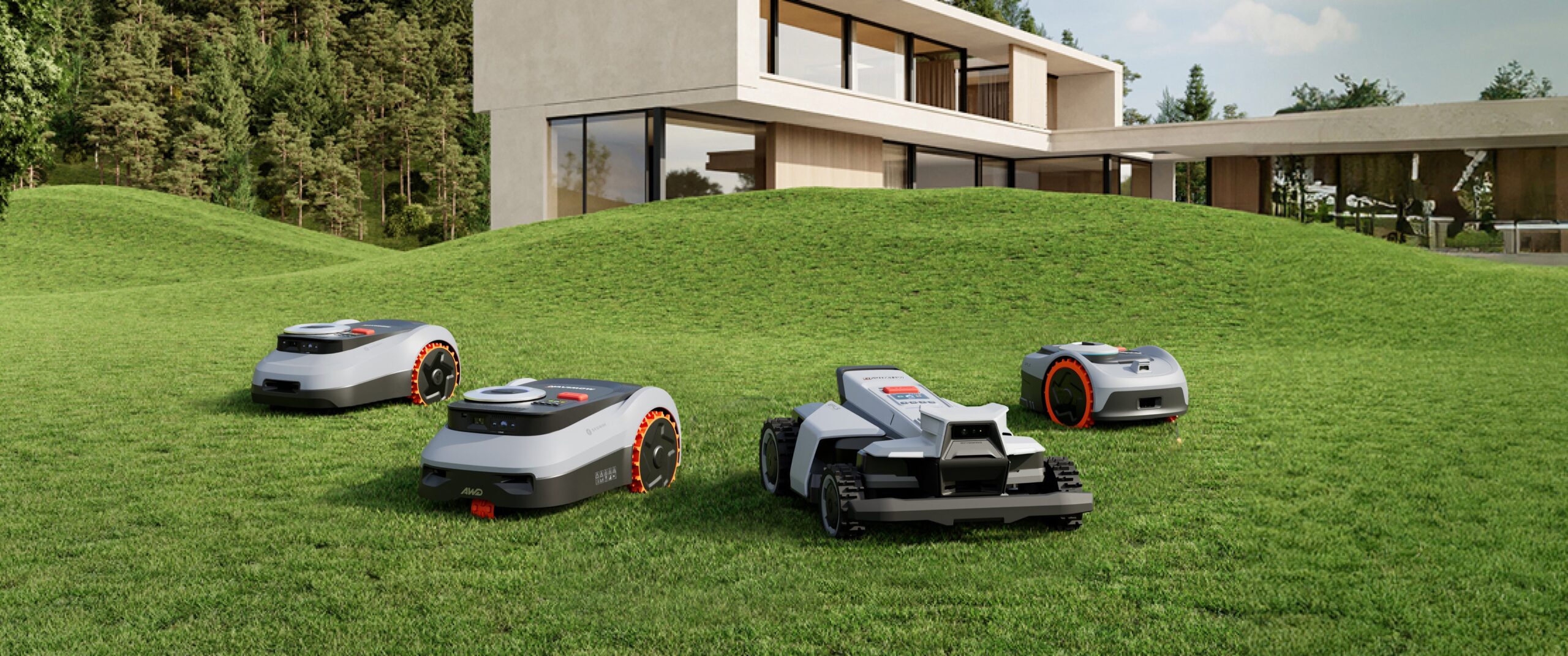
    Cordless lawn mower lineup example for comparing mower sizes by yard type
    A mower lineup helps illustrate why deck width, handle layout, and overall footprint matter when matching mower size to a real yard.

    Medium yards

    For medium-size lawns, cordless mowers with enough runtime are usually the best balance. This is where a typical 18- to 21-inch mower starts to make sense.

    Best fit: cordless models with decent runtime and a practical cutting width

    Large yards

    Larger yards usually benefit from wider decks, better battery capacity, and sometimes self-propelled drive. If the property is big enough, runtime and mowing speed start to matter much more.

    Best fit: 21-inch class mowers, self-propelled models, stronger battery systems

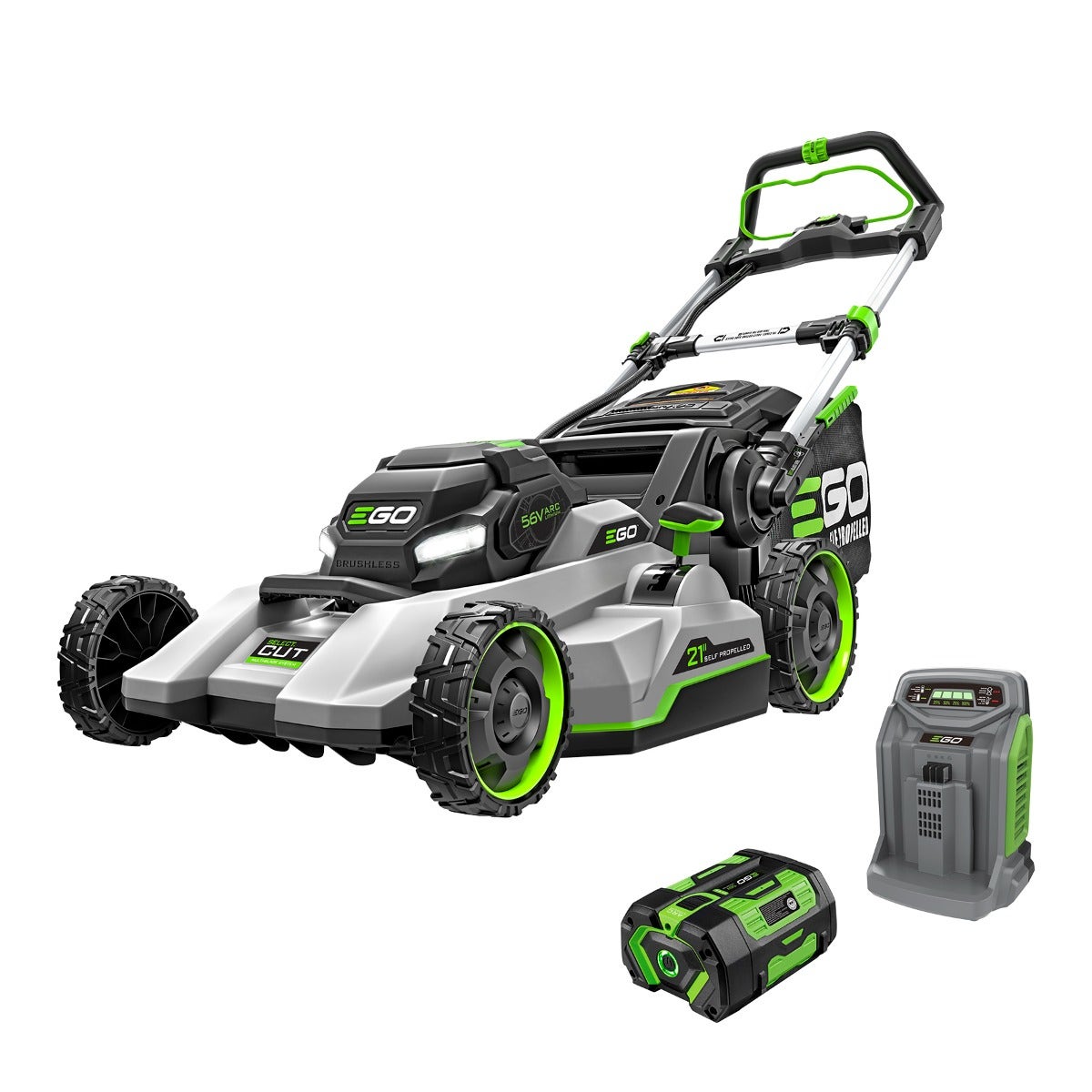
    EGO Power Plus LM2236SP official image as an example of a larger mower for medium to large yards
    A larger self-propelled mower shows the kind of size jump that starts to make sense once the lawn is big enough to reward more deck width and runtime.

    Other factors besides size

    • Terrain: hills and uneven ground may matter more than yard size alone
    • Grass type: thick grass increases power demands
    • Storage: a smaller mower may be smarter if space is limited
    • Budget: bigger mowers often cost more without improving the experience on small lawns

    Final verdict

    Most homeowners should choose a mower sized for their actual yard, not for an imagined future need. If your lawn is small, keep it compact. If your lawn is medium or large, prioritize runtime, cutting width, and ease of use over marketing claims.

  • How to Choose the Right Lawn Mower for Your Yard

    How to Choose the Right Lawn Mower for Your Yard

    How to Choose the Right Lawn Mower for Your Yard

    Most people overcomplicate buying a lawn mower. The right mower is not the one with the biggest deck, the most aggressive marketing, or the most features. It is the one that matches your yard, your budget, your storage space, and your tolerance for maintenance.

    If you get that wrong, you feel it every week. You end up dragging around too much machine, fighting with a cord in a yard that is too awkward for it, or paying premium money for features you barely use. This guide will help you avoid that.

    Cordless lawn mower lineup example showing different deck sizes and handle designs
    A cordless mower lineup is a good reminder that deck size, handle layout, and battery platform can matter just as much as raw power when you choose for a real yard.

    Step 1: Start with yard size

    Yard size should be the first filter because it eliminates a lot of bad options quickly.

    • Tiny yard: reel mower or compact electric mower
    • Small yard: corded or cordless walk-behind mower
    • Small to medium yard: cordless mower starts to make the most sense
    • Medium yard: self-propelled cordless mower is often the sweet spot
    • Large yard: riding mower, zero-turn, or a very capable battery/gas setup depending on layout

    A lot of buyers overspend because they imagine edge cases instead of buying for their actual normal routine.

    Step 2: Decide how much hassle you can tolerate

    This matters more than people admit. Gas mowers can still work well, but they come with friction: fuel, oil, storage, winter prep, pull starts, noise, and extra maintenance. If you hate hassle, do not talk yourself into gas just because that used to be the default.

    For most homeowners, cordless is now the easiest all-around answer. Corded can also be low-hassle if your yard is small and simple. Reel is the lowest-maintenance option of all, but only if your lawn size and grass type make it practical.

    Step 3: Look at your yard layout, not just its size

    Two yards can be the same size and need completely different mowers.

    Ask yourself:

    • Do you have tight corners?
    • Do you have trees, beds, and obstacles?
    • Do you have slopes?
    • Do you have one simple rectangle or a fragmented layout?

    If your layout is awkward, cords become more annoying and maneuverability becomes more important. If your lawn is hilly or uneven, self-propelled drive becomes much more attractive.

    Step 4: Be honest about your grass

    Not all lawns are equally demanding. Thick, fast-growing grass pushes you toward better-powered cordless or gas options. Light, well-maintained grass gives you more freedom to choose cheaper or simpler tools.

    If your lawn gets shaggy quickly, do not buy the weakest possible mower and expect it to feel good. If your grass is light and you mow frequently, you can often get away with a smaller and cheaper solution.

    Step 5: Think about storage

    Storage is one of the easiest things to ignore when buying and one of the most annoying things to regret later. A bulky mower in a cramped garage or shed becomes a recurring irritation.

    If space is limited, look for:

    • folding handles
    • compact deck size
    • lightweight design
    • multi-use tools for tiny lawns

    Step 6: Pick the mower type that fits your reality

    Cordless mowers

    Best for: most homeowners.

    Why choose one:

    • easy to start
    • low maintenance
    • quiet compared with gas
    • best balance of convenience and performance

    Main downside: higher upfront cost.

    Corded electric mowers

    Best for: small, simple lawns and tighter budgets.

    Why choose one:

    • lower cost
    • simple ownership
    • no battery issues

    Main downside: dealing with the cord.

    Reel mowers

    Best for: tiny, flat lawns with frequent mowing.

    Why choose one:

    • very low cost of ownership
    • quiet
    • no fuel, battery, or electricity needed

    Main downside: not good for thick, tall, or neglected grass.

    Manual reel lawn mower example for tiny flat lawns and frequent mowing
    Reel mowers make the most sense when the lawn is small, flat, and kept on a tight mowing schedule.

    Gas mowers

    Best for: certain larger or heavier-duty use cases.

    Why choose one:

    • long-established power and runtime
    • still useful in some demanding scenarios

    Main downside: more maintenance, more noise, more friction.

    Step 7: Decide whether self-propelled is worth it

    If your lawn is more than tiny, self-propelled drive is often worth paying for. It reduces fatigue, especially on slopes or larger areas, and makes the chore less annoying. If your lawn is very small and flat, you can probably skip it.

    A good rule: the larger or harder your yard feels, the more valuable self-propulsion becomes.

    Step 8: Consider the battery ecosystem

    If you are buying cordless, the mower is only part of the decision. The battery platform matters too. If the same batteries power a blower, trimmer, hedge trimmer, or chainsaw, your overall yard setup becomes easier and more economical over time.

    This is one reason premium cordless brands can make sense. You are not just buying a mower. You are potentially buying into a tool system.

    Common mistakes people make

    • Buying too much mower for a tiny lawn
    • Choosing gas out of habit instead of need
    • Ignoring storage constraints
    • Underestimating how annoying a cord can be in a complex yard
    • Buying the cheapest mower for thick, fast-growing grass
    • Overpaying for premium features they will barely use

    Best mower by situation

    • Best for most people: cordless mower
    • Best for budget small yards: corded electric mower
    • Best for tiny lawns: reel mower or compact electric mower
    • Best for slopes and more demanding yards: self-propelled cordless mower

    Bottom line

    The best lawn mower is the one that matches your real yard and your real habits. Most people should start with cordless. Budget buyers with small lawns should look hard at corded models. Tiny-lawn owners should not ignore reel mowers.

    If you buy based on your actual use instead of outdated assumptions, you will probably spend less and enjoy mowing more.

  • Best Robot Lawn Mowers (2026 Guide)

    Best Robot Lawn Mowers (2026 Guide)

    Best Robot Lawn Mowers (2026 Guide)

    Disclosure: This page contains affiliate links. As an Amazon Associate, LawnMowerGeek may earn from qualifying purchases at no extra cost to you. Read our affiliate disclosure.

    The best robot lawn mower is not just a gadget that trims grass while you watch from the patio. A good robot mower can dramatically reduce how much time you spend mowing, keep your lawn looking more consistently maintained, and make sense for homeowners who value convenience more than the old weekly push-mow routine.

    That said, robot mowers are still a niche category compared with cordless walk-behind mowers. They work best when the lawn, layout, and expectations all match the technology. If your yard is extremely rough, full of obstacles, or regularly gets tall and overgrown, a robot mower may not be the smartest first choice.

    This guide focuses on who robot mowers are best for, what features matter most, and when they are worth the premium.

    Quick picks

    • Best overall robot mower: a reliable mid-to-premium model with strong navigation, app control, and solid boundary management
    • Best for simple small yards: an entry-level robot mower with basic scheduling and easy setup
    • Best for larger or more complex lawns: a higher-end robot mower with better coverage logic and slope handling
    • Best for buyers unsure about the category: compare robot mowers against premium cordless mowers before paying the premium

    Why people buy robot lawn mowers

    The appeal is easy to understand: instead of blocking out a chunk of time every week, you let the mower handle maintenance trimming automatically. Robot mowers work best when they cut often and remove a little grass at a time. That can produce a lawn that looks consistently tidy without the usual stop-start mowing routine.

    For the right buyer, the main benefit is not raw cutting power. It is time savings, routine automation, lower physical effort, and the satisfaction of having the lawn maintained in the background.

    Best overall robot lawn mower

    The best overall robot mower for most homeowners is usually the model that balances dependable navigation, decent app controls, practical weather resistance, and enough coverage for a normal suburban lawn. The category is still evolving, so I would prioritize reliability and ease of ownership over flashy features.

    A strong all-around robot mower should be able to return to charge predictably, follow a schedule without constant babysitting, and manage a typical residential layout with only moderate complexity. If setup is frustrating or boundary management is unreliable, the “time-saving” promise of a robot mower falls apart quickly.

    Best for: homeowners who want real mowing automation on a reasonably tidy lawn and are willing to pay for convenience.

    Husqvarna Automower robot lawn mower official product image for best overall robot mower category
    Official Husqvarna Automower product image, representative of the dependable premium robot mower category that tends to work best for homeowners prioritizing proven automation.

    Best robot mower for small simple yards

    Small, fairly open yards are where robot mowers make the most sense. A simple rectangular or gently shaped lawn with limited obstacles gives the mower an easier job and gives you a better chance of enjoying the experience instead of troubleshooting it.

    If your lawn is compact and your main goal is hands-off maintenance, an entry-level robot mower can be a much better fit than a premium model loaded with features you may never actually need.

    Best for: small suburban lawns, predictable layouts, homeowners focused on convenience.

    Best robot mower for larger or trickier lawns

    Once the yard gets bigger, steeper, or more segmented, robot mower quality matters more. Better navigation, improved traction, smarter scheduling, and stronger boundary performance become much more important. This is the part of the category where cheap models often stop being good value.

    If your lawn includes multiple zones, narrow passages, or slopes, it usually makes sense to look at the better-built end of the robot category rather than buying the cheapest machine and hoping for the best.

    Best for: medium lawns, more complex layouts, buyers who care more about dependable automation than lowest price.

    Segway Navimow robot lawn mower official image for larger and more complex yard automation
    Official Segway Navimow product image, useful as a visual example of the newer robot mower tier aimed at larger yards, app-driven setup, and more advanced navigation.

    What to look for in a robot lawn mower

    1. Yard compatibility

    This is the most important factor. Robot mowers are not equally good on every property. Think about lawn size, obstacles, narrow sections, edges, and slope before you think about brand hype.

    2. Boundary setup

    Some robot mowers rely on perimeter wire, while newer models may use more advanced navigation systems. Either way, setup quality matters. If the boundary system is weak, daily ownership becomes annoying fast.

    3. Scheduling and app controls

    The value of a robot mower comes from automation. Good scheduling, simple controls, and reliable return-to-base behavior are more important than flashy extras.

    4. Slope handling

    If your lawn is not flat, do not ignore traction and incline capability. A robot mower that struggles on slopes will not feel automated for long.

    5. Edge performance

    Most robot mowers still do not eliminate every bit of trimming work. Buyers should expect some edge cleanup unless the yard is unusually simple and the model is especially strong around borders.

    Robot mower vs cordless mower

    If you want the best balance of performance, flexibility, and value, a cordless mower is still the safer mainstream choice. If you want automation and your yard is robot-friendly, a robot mower can be the more exciting choice.

    In other words, cordless is usually the better universal answer. Robot is the better specialist answer when the property and budget support it.

    Who should buy a robot lawn mower?

    • homeowners who value convenience and automation more than traditional mowing control
    • buyers with small-to-medium lawns that are relatively tidy and predictable
    • people willing to invest upfront to reduce recurring mowing effort
    • homeowners who keep their lawn on a regular maintenance schedule

    Who should skip robot mowers?

    • buyers on tighter budgets who just need a dependable mower
    • people with rough, highly irregular, or obstacle-heavy lawns
    • homeowners who often let grass get long between cuts
    • anyone who wants one mower that can handle every edge case with minimal setup

    Alternatives to consider

    Final verdict

    The best robot lawn mower is a great fit for the homeowner who wants the lawn maintained automatically and has a yard layout that supports the technology. It is not the best value category for everyone, but it can be one of the most satisfying if convenience is the top priority.

    For most buyers, cordless mowers remain the safer default recommendation. But if you are specifically shopping for hands-off mowing and your property is a good match, a robot mower can be a smart upgrade rather than a novelty.

    Disclosure: This page contains affiliate links. As an Amazon Associate, LawnMowerGeek may earn from qualifying purchases at no extra cost to you.

  • Best Lawn Mowers for Large Yards (2026 Guide)

    Best Lawn Mowers for Large Yards (2026 Guide)

    Best Lawn Mowers for Large Yards (2026 Guide)

    Disclosure: This page contains affiliate links. As an Amazon Associate, LawnMowerGeek may earn from qualifying purchases at no extra cost to you. Read our affiliate disclosure.

    If you have a large yard, the wrong mower becomes annoying fast. Bigger lawns punish weak runtime, narrow cutting widths, and machines that feel fine for 15 minutes but frustrating after half an hour. The best lawn mower for a large yard should cut efficiently, handle longer sessions, and save effort instead of creating more of it.

    For most homeowners with a large suburban lawn, a quality cordless self-propelled mower is now the best place to start. For very demanding properties, thicker grass, or lots approaching half an acre and beyond, gas models and higher-capacity battery platforms still deserve consideration.

    Best lawn mowers for large yards: quick picks

    • Best overall: EGO Power+ LM2236SP
    • Best value option: EGO LM2135SP
    • Best gas benchmark: Honda HRX217-class mowers
    • Best for lighter large-yard use: Greenworks higher-voltage self-propelled models

    1. EGO Power+ LM2236SP — Best overall

    The EGO LM2236SP is one of the strongest fits for large yards because it offers premium cordless performance, self-propelled drive, and the kind of cutting power that makes battery ownership feel realistic even when you have more ground to cover. It is especially appealing for homeowners who want to move away from gas without stepping down in usability.

    Best for: large residential lawns where you want premium cordless performance and lower maintenance

    EGO Power+ LM2236SP self-propelled cordless lawn mower for large yards
    EGO Power+ LM2236SP official product image from EGO, a strong fit for large yards that need cordless power and self-propelled convenience.

    2. EGO LM2135SP — Best value option

    The EGO LM2135SP is a strong large-yard choice if you want self-propelled convenience and a proven battery platform without going all the way to a flagship price. For many homeowners, it offers the best balance between performance, runtime, and overall cost.

    Best for: homeowners who want a capable self-propelled cordless mower with better value than a top-tier flagship

    EGO LM2135SP cordless self-propelled lawn mower official image
    EGO LM2135SP official product image, useful for homeowners who want a more value-focused large-yard mower on the EGO platform.

    3. Honda HRX217-class mowers — Best gas benchmark

    Gas is no longer the automatic default, but it still has a place on bigger properties. A Honda HRX217-class mower remains relevant for buyers who prioritize long mowing sessions, strong performance in thick grass, and the ability to refuel quickly instead of waiting on batteries.

    Best for: demanding large-yard owners who still prefer gas power and proven durability

    4. Greenworks higher-voltage self-propelled models — Best lower-cost alternative

    Greenworks offers large-yard-friendly self-propelled mowers that can make sense for buyers who want cordless convenience at a more approachable price. The exact best fit depends on deck width, included batteries, and whether the bundle is truly sized for your lawn rather than just marketed that way.

    Best for: budget-conscious homeowners who want a cordless self-propelled mower for a moderately large lawn

    What matters most in a large-yard mower?

    • Runtime: large yards expose weak battery bundles quickly.
    • Self-propelled drive: the bigger the lawn, the more valuable it becomes.
    • Deck width: a wider cut saves time on every mowing session.
    • Power in thick growth: large yards often include tougher sections that punish underpowered mowers.
    • Storage and battery ecosystem: cordless ownership makes more sense if you may add compatible tools later.

    Should you choose cordless or gas for a large yard?

    Large capacity battery example for homeowners comparing runtime needs on large yards
    Large lawns expose weak battery bundles quickly, which is why runtime headroom matters much more here than it does on small suburban lots.

    If your lawn is large but still clearly residential, cordless is often the better ownership experience now. You get easier starting, less maintenance, lower noise, and a cleaner day-to-day routine. But if your property is very large, your grass gets overgrown often, or you simply do not want to think about runtime management, gas can still be the more practical answer.

    A simple rule: if you mow regularly and want convenience, start with premium cordless. If your mowing sessions are long, heavy, and infrequent, gas remains worth considering.

    Cordless lawn mower lineup example for buyers comparing platforms for large yard mowing
    A stronger cordless platform matters more on large yards because deck size, battery compatibility, and upgrade headroom all affect long-term ownership.

    Related guides

    Final verdict

    For most homeowners, the EGO Power+ LM2236SP is the best lawn mower for a large yard because it combines strong cutting performance, self-propelled ease, and a better long-term ownership experience than gas. If you want a more value-focused option, the EGO LM2135SP is a smart place to look. And if your yard is especially demanding, a Honda HRX217-class gas mower still deserves respect.

    Disclosure: This page contains affiliate links. As an Amazon Associate, LawnMowerGeek may earn from qualifying purchases at no extra cost to you.