Disclosure: As an Amazon Associate, LawnMowerGeek may earn from qualifying purchases. If you click through and buy, we may receive a commission at no extra cost to you. See our Affiliate Disclosure for details.
Reel vs Cordless vs Electric Lawn Mowers: Which Is Best?
Choosing between a reel mower, a cordless mower, and a corded electric mower depends mostly on yard size, grass conditions, budget, and how much effort you want to put into mowing.
Quick answer
Reel mowers are best for tiny, flat lawns with light maintenance needs.
Cordless mowers are best for most homeowners who want convenience and cleaner operation.
Corded electric mowers can work for small yards if you do not mind managing an extension cord.
Reel mowers
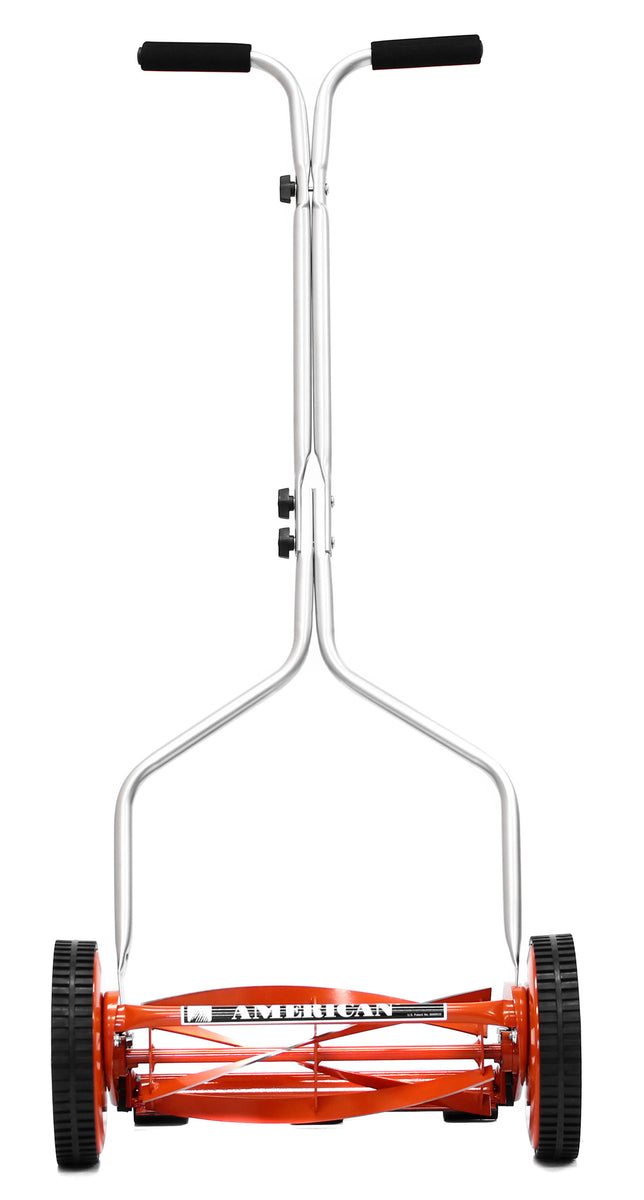
Reel mowers are manual push mowers with rotating blades that cut grass in a scissor-like motion. They are quiet, simple, and low-cost, but they work best when the lawn is already short and maintained regularly.
Manual reel mowers are simplest when your lawn is small, flat, and cut often enough to stay manageable.
Best for: very small yards, low budgets, low-noise use
Not ideal for: tall grass, uneven lawns, thick grass, large yards
Cordless lawn mowers
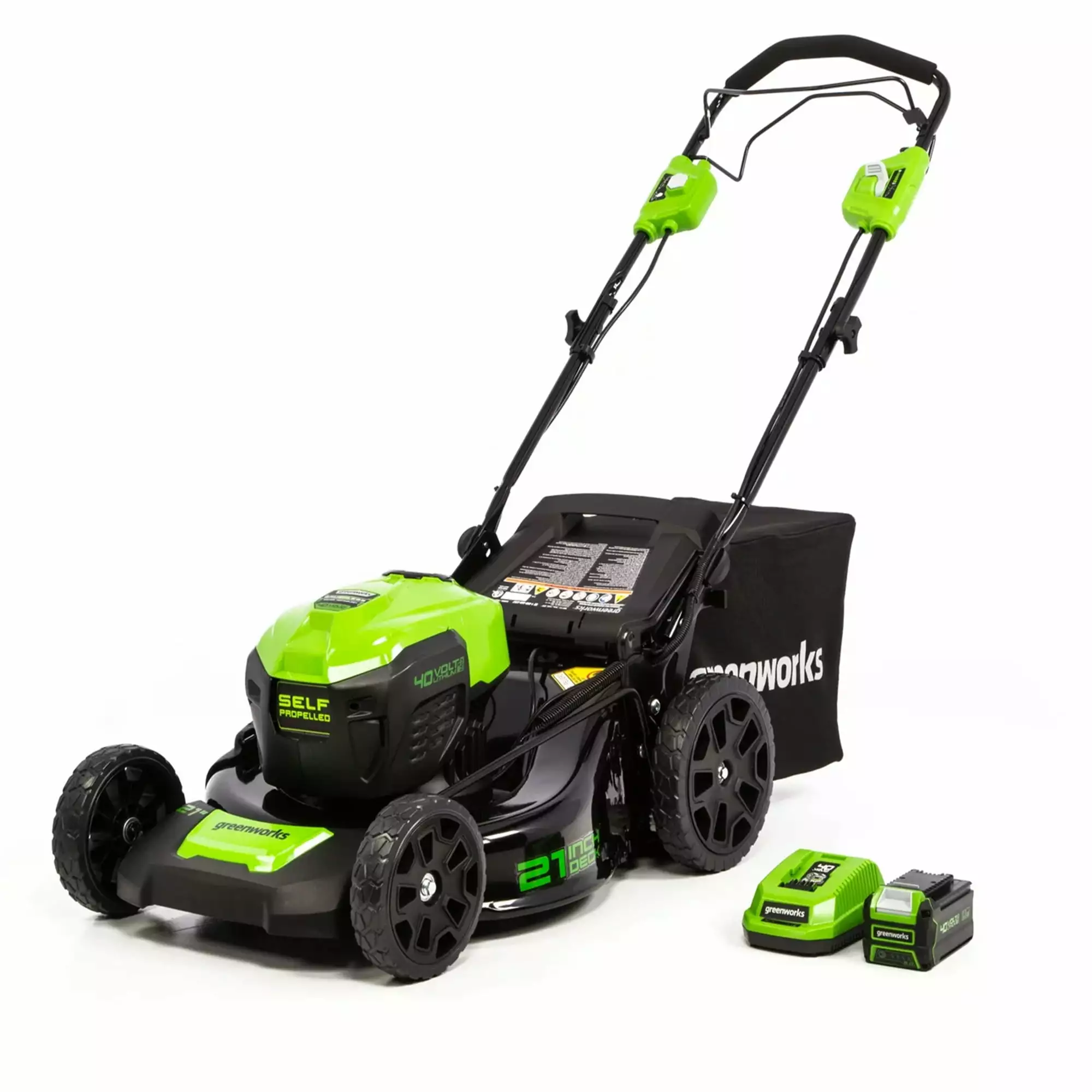
Cordless lawn mowers run on rechargeable batteries and are now the best all-around option for many homeowners. They offer good cutting power, cleaner operation than gas, and far more freedom than corded mowers.
Modern cordless mowers usually offer the best balance of cutting power, convenience, and lower maintenance for typical home lawns.
Best for: small to medium yards, homeowners who want convenience, people avoiding gas maintenance
Watch for: battery runtime, charging time, and whether one battery system matches your other yard tools
Corded electric lawn mowers
Corded electric mowers plug into an outlet and can provide steady power without battery runtime limits. The tradeoff is obvious: the cord can be frustrating, especially around obstacles or larger lawns.
Best for: small yards close to power outlets, budget-conscious buyers
Not ideal for: complex yards, larger properties, people who hate cable management
Which one should you choose?
If you want the most practical choice for a typical home lawn, a cordless mower is usually the winner. If you want the cheapest and simplest option for a tiny lawn, a reel mower can work well. If your yard is small and you want low cost with powered cutting, a corded electric mower still makes sense.
Final verdict
For most buyers, cordless wins on balance. Reel mowers are niche but useful for very small lawns. Corded electric mowers are workable, but the cord is a real limitation for many people.
Disclosure: We may earn a commission from qualifying purchases made through links in comparison content. That does not affect our editorial judgment. Read the full Affiliate Disclosure.
Disclosure: This page contains affiliate links. As an Amazon Associate, LawnMowerGeek may earn from qualifying purchases at no extra cost to you. Read our affiliate disclosure.
The best lawn mower for hills is not just the most powerful mower you can afford. On sloped ground, traction, weight balance, control, and how tiring the mower feels during repeated passes matter just as much as raw cutting ability. A mower that feels great on flat suburban grass can become awkward, slippery, or simply exhausting once the yard starts to rise and fall.
For most homeowners, the safest and most practical hill mower is a well-balanced self-propelled cordless model with enough grip and torque for regular weekly mowing. For smaller or lighter-duty hilly lawns, a lighter push mower can still work well. And for steep, rough, or uneven terrain, the smartest answer is often to avoid forcing a basic mower into a job it is not designed to do.
Quick picks
Best overall for hills: a self-propelled cordless mower with predictable traction and easy speed control
Best for moderate slopes: a lighter mower that is still stable and easy to turn
Best for small hilly yards: a compact mower that is easier to maneuver around edges and landscaping
Best value pick: a capable mower that handles gentle inclines without the price of a premium hill specialist
EGO’s LM2236SP-style self-propelled platform is the kind of balanced cordless setup many homeowners prefer for moderate hills.
Hills change the mowing job in three ways. First, they punish weak traction and inconsistent self-propel systems. Second, they make heavy mowers feel even heavier, especially when turning or repositioning. Third, they expose any mismatch between deck size, runtime, and your real pace, because hills naturally slow you down.
That is why the best mower for a hilly yard is usually one that feels controlled rather than one that simply advertises the biggest motor or battery. A balanced mower with good grip and manageable weight is often the better hill machine than a bulkier model that sounds more impressive on paper.
Best overall lawn mower for hills
For most homeowners, the best overall choice for hills is a self-propelled mower with smooth speed control and enough torque to keep cutting cleanly when the yard tilts upward. Self-propel makes a real difference here because it reduces fatigue on climbs and gives you more control over pace, especially when mowing across moderate slopes or changing direction around landscaping.
The ideal hill mower should feel planted, not twitchy. It should also be easy to slow down, correct, and guide without fighting the drive system. That balance matters more than chasing the absolute widest deck.
Best for: homeowners with moderate hills, weekly mowing routines, and a preference for lower-maintenance cordless ownership.
Best mower for moderate slopes
If your yard has rolling areas instead of steep problem sections, a lighter mower can be the smarter choice. Moderate slopes often reward maneuverability more than brute force. A mower that is easy to pivot and reposition can feel safer and less tiring over a full session than a heavier machine with more headline specs.
This type of mower works best when the lawn is kept on schedule. Once grass gets tall and damp on a slope, moderate equipment starts to feel much less moderate.
Best for: gently hilly suburban lawns, regular mowing, and buyers who do not want an overly heavy mower.
Best mower for small hilly yards
On a small yard with hills, compact size becomes a real advantage. You usually do not need maximum deck width. You need a mower that feels easy to guide around beds, trees, retaining edges, and narrow transitions where slopes can make every correction more awkward.
A smaller, lighter mower can make the whole job more comfortable, especially if storage space is limited and you still want something you can lift or fold without dreading it.
Best for: compact properties with slopes, tighter turns, and homeowners who value easy handling over maximum coverage speed.
Best value lawn mower for hills
The best value option for hills is usually not the cheapest mower on the shelf. It is the least expensive model that still gives you believable control, enough traction, and enough power reserve that the mower does not feel out of its depth halfway through the yard.
That often means buying one step above entry level if your lawn includes regular inclines. Hills expose weak drivetrains and underpowered cuts faster than flat lawns do, so value here means buying appropriately rather than buying minimally.
Best for: buyers who want to manage moderate hills without paying for a premium flagship mower.
A lighter self-propelled mower with good grip and predictable pacing can be easier to control on rolling terrain than a bulkier machine.
What to look for in a lawn mower for hills
1. Self-propelled drive that feels smooth, not jumpy
On hills, predictable drive behavior matters. A mower that surges, lags, or feels awkward when you change pace can be more frustrating than helpful.
2. Manageable weight
Heavy mowers can offer stability, but too much weight becomes a liability on slopes, especially during turns, storage, and recovery if traction drops.
3. Tire grip and overall stability
Hilly mowing is not just about the blade. Good wheel grip and stable handling inspire confidence and reduce the sense that the mower wants to slide or wander.
4. Realistic fit for your slope severity
Not every mower is appropriate for steep terrain. Moderate hills are one thing; aggressive slopes, ditches, and rough uneven ground are another. Buy for the actual yard, not the easy parts of it.
5. Enough power for thicker sections
Grass on slopes can be denser, patchier, or harder to cut cleanly, especially if parts of the yard hold moisture. A mower that already feels borderline on flat grass will usually feel worse on a hill.
Who should buy a dedicated hill-friendly mower?
homeowners whose yard includes repeated moderate slopes
buyers who get fatigued fighting a basic push mower uphill
people who want safer, steadier control on uneven terrain
homeowners whose lawn regularly grows thick on sloped sections
Who might not need one?
buyers with mostly flat lawns and only a slight incline near the street
people with tiny easy yards where a lightweight compact mower is enough
homeowners with terrain so steep or rough that a standard walk-behind mower may not be the right tool at all
Common mistakes when buying a mower for hills
choosing the widest deck instead of the most controllable mower
underestimating how tiring extra weight feels on a slope
assuming all self-propelled systems behave equally well on inclines
buying for dry, ideal conditions when the yard is often thicker or damp
The best lawn mower for hills is usually a controlled, confidence-inspiring self-propelled mower that fits the severity of your slopes instead of overpowering the rest of the yard. On hilly ground, comfort and control are performance features, not luxuries.
If your lawn includes regular inclines, buying for traction, balance, and manageable weight will usually pay off more than chasing the biggest deck or the most aggressive marketing claims.
Disclosure: This page contains affiliate links. As an Amazon Associate, LawnMowerGeek may earn from qualifying purchases at no extra cost to you. Read our affiliate disclosure.
The best lawn mower under $500 sits in one of the most practical parts of the market. This budget is high enough to reach genuinely capable cordless mowers for many homeowners, but still low enough that every feature has to earn its place. For most buyers, the goal here is not luxury. It is getting a mower that feels clearly better than entry-level without drifting into premium pricing.
Under $500 is often the sweet spot for homeowners with small-to-medium lawns who want a cleaner, quieter alternative to gas and enough performance to avoid feeling like they settled. It can also be a smart ceiling for buyers who want to step up from the under-$300 tier without paying for features their yard will never use.
Quick picks
Best overall under $500: a well-rounded cordless mower with enough runtime for a typical suburban lawn
Best for easy medium lawns: a battery mower with a little more deck width and stronger cut consistency
Best value under $500: a simpler cordless mower that still delivers the convenience most buyers actually want
Best low-maintenance fallback: a corded electric mower if your yard is very small and close to power
Is $500 enough for a good lawn mower?
Yes, for many homeowners it is. This is the price range where cordless mowing starts to make real sense for mainstream buyers, especially if the lawn is small or medium-size and you mow regularly. You can often get better build quality, more comfortable handling, and a more convincing ownership experience than you get below $300.
What $500 still does not guarantee is premium-level runtime, heavy-duty hill performance, or the kind of power that makes neglected thick grass feel easy. If your yard is large, steep, or consistently demanding, this budget can still work, but you need to choose carefully.
Best overall lawn mower under $500
For most homeowners, the best lawn mower under $500 is a cordless mower with enough battery capacity to finish a normal suburban yard in one session and enough refinement to feel easy to live with. That usually means a mower that balances cutting width, weight, storage convenience, and a battery system that is not just a one-tool dead end.
This is the strongest all-around choice because it solves the things most homeowners care about every week: simple startup, manageable noise, reasonable runtime, and less hassle than gas. In this budget band, a solid cordless mower is often the best mix of convenience and capability.
Best for: small-to-medium lawns, weekly mowing, and buyers who want a strong all-purpose non-gas option.
The EGO LM2135SP is a strong example of the kind of capable cordless mower that makes sense when you want better-than-entry-level performance under a mid-range budget cap.
Best mower under $500 for medium-size lawns
If your yard is closer to medium than small, it is worth leaning toward a cordless mower with a bit more deck width and better runtime rather than just the cheapest battery option that happens to fall under the cap. The extra margin matters because medium lawns expose weak batteries and narrow decks more quickly.
A mower in this lane is less about chasing premium power and more about avoiding the frustration of needing two sessions, babying the mower in thicker patches, or immediately wishing you had bought one tier up.
Best for: buyers with medium-size lawns who still want to stay out of premium pricing.
A more premium cordless mower helps illustrate the line between strong under-$500 value and the pricier flagship tier many shoppers compare against.
Best value lawn mower under $500
For buyers who want the smartest use of the budget, the best value choice is usually a straightforward cordless mower that skips luxury touches but still covers the core ownership experience well. That means decent runtime, compact storage, and no obvious mismatch between the mower and the size of the lawn.
This is often the right answer for first-time homeowners or anyone replacing a tired old mower without needing every upgrade available. A value pick should feel appropriately capable, not merely cheap.
Best for: budget-conscious buyers who want cordless convenience without overbuying.
When not to spend the full $500
Not every yard needs a $500 mower. If your lawn is tiny, flat, and very easy to manage, you may be better off spending less and choosing a lighter cordless mower, a corded model, or even a reel mower. Paying more only makes sense when the extra deck size, runtime, or convenience actually improves the job.
That is why under-$500 shopping works best when you treat the budget as a ceiling, not a target you have to hit.
What to look for in this price range
1. Runtime that fits your real lawn
Under $500 can buy a useful cordless mower, but runtime still varies a lot. Buy for the actual square footage and grass conditions you have, not ideal test numbers.
2. Deck width that matches your mowing time goals
A slightly wider deck can make a noticeable difference on medium lawns. On tiny lawns, it matters much less than weight and maneuverability.
3. Manageable weight and storage
Many homeowners care about folding storage, lift weight, and how easy the mower is to turn around obstacles. Under $500 should still feel convenient, not bulky for the sake of specs.
4. Honest fit for thick grass and hills
This price range can handle some tougher lawns, but it is not automatically the right place for steep slopes, very dense grass, or neglected growth. Match expectations to the yard.
Who should buy a lawn mower under $500?
homeowners with small-to-medium lawns
buyers who want a meaningful upgrade over the under-$300 tier
people moving away from gas for convenience and lower maintenance
shoppers who want a solid cordless mower without entering premium pricing
Who should skip this price range?
buyers with very large lawns that demand more runtime
homeowners dealing with frequent hills, thick grass, or rough mowing conditions
people who only need a mower for a tiny easy yard and could spend less
anyone specifically shopping for premium self-propelled performance
For a closer look at one of the stronger premium cordless fits in this range, read our EGO LM2236SP review.
Final verdict
The best lawn mower under $500 is usually a well-chosen cordless mower that fits a small-to-medium lawn without pretending to be a premium machine. This budget is strong because it gives many homeowners enough performance to mow comfortably while keeping costs under control.
If your lawn is manageable and you want a practical step up from entry-level options, under $500 is often where lawn mower shopping starts to feel good instead of compromised.
Disclosure: This page contains affiliate links. As an Amazon Associate, LawnMowerGeek may earn from qualifying purchases at no extra cost to you.
The right lawn mower size depends mostly on your yard size, layout, and how much cutting power you actually need. For many homeowners, buying a mower that is too large is just as unhelpful as buying one that is too weak.
Quick answer by yard size
Tiny yards: reel mower, compact electric mower, or very small cordless mower
Small yards: 14- to 18-inch deck is often enough
Medium yards: around 18- to 21-inch deck usually makes sense
Larger residential yards: 21-inch deck or larger, often self-propelled
Deck size matters more than many people think
The cutting deck affects how much grass you cut with each pass. A larger deck can save time on open lawns, but it can also make storage harder and feel clumsy in tight spaces.
If your yard has narrow passages, obstacles, garden beds, or sharp turns, a slightly smaller mower may be easier to live with even if it takes a little longer to mow.
Small yards
If your lawn is small, you usually do not need a large premium mower. A compact cordless mower, corded electric mower, or even a reel mower may be enough.
Best fit: lightweight mowers, easier storage, smaller decks
A mower lineup helps illustrate why deck width, handle layout, and overall footprint matter when matching mower size to a real yard.
Medium yards
For medium-size lawns, cordless mowers with enough runtime are usually the best balance. This is where a typical 18- to 21-inch mower starts to make sense.
Best fit: cordless models with decent runtime and a practical cutting width
Large yards
Larger yards usually benefit from wider decks, better battery capacity, and sometimes self-propelled drive. If the property is big enough, runtime and mowing speed start to matter much more.
Best fit: 21-inch class mowers, self-propelled models, stronger battery systems
A larger self-propelled mower shows the kind of size jump that starts to make sense once the lawn is big enough to reward more deck width and runtime.
Other factors besides size
Terrain: hills and uneven ground may matter more than yard size alone
Grass type: thick grass increases power demands
Storage: a smaller mower may be smarter if space is limited
Budget: bigger mowers often cost more without improving the experience on small lawns
Final verdict
Most homeowners should choose a mower sized for their actual yard, not for an imagined future need. If your lawn is small, keep it compact. If your lawn is medium or large, prioritize runtime, cutting width, and ease of use over marketing claims.
Disclosure: This page contains affiliate links. As an Amazon Associate, LawnMowerGeek may earn from qualifying purchases at no extra cost to you. Read our affiliate disclosure.
The best battery-powered lawn mower gives you the cleaner ownership experience people want from cordless equipment without feeling underpowered the moment the grass gets a little dense or the yard gets a little bigger. The category has improved enough that many homeowners no longer need to choose between convenience and respectable cutting performance.
Battery-powered mowers make the most sense when you want push-button startup, lower noise, and less maintenance than gas, but still need enough runtime and cutting confidence to handle regular weekly mowing. The right pick depends less on hype and more on your yard size, grass thickness, storage needs, and tolerance for battery limits.
EGO’s LM2236SP is a good example of the premium battery-powered mower tier many homeowners end up comparing first.
Quick picks
Best overall battery-powered mower: a premium 56V-class cordless mower with strong cut quality and enough runtime for typical suburban yards
Best value battery mower: a mid-range cordless mower that balances price, runtime, and easier handling
Best battery mower for small yards: a compact lightweight model that is easy to store and simple to maneuver
Best battery mower for larger yards: a higher-capacity mower with a wider deck or dual-battery support
A good battery mower is not just cordless. It has to deliver a clean enough cut, realistic runtime, easy height adjustment, and a battery system that does not feel like a dead end. Cheap battery mowers can look attractive until you realize they struggle in thicker grass or need recharge breaks at exactly the wrong time.
That is why the best battery-powered lawn mowers usually come from stronger platform ecosystems. If the mower shares batteries with a blower, trimmer, or hedge tool you may actually want later, the purchase becomes easier to justify.
Best battery-powered lawn mower for most homeowners
For most homeowners, the best choice is a premium cordless mower in the EGO or similar performance tier. These mowers tend to offer the best mix of runtime, cut quality, foldable storage, and everyday usability. They are especially appealing if you want to leave gas behind without feeling like you settled for a weak replacement.
This category fits best when your yard is small to medium, your mowing schedule is reasonably consistent, and you want a mower that feels modern but still serious enough for regular use.
Battery-powered mower lineups have matured quickly, which is why platform strength and battery compatibility now matter almost as much as raw mower specs.
Best for: most suburban lawns, buyers replacing gas, homeowners who want convenience without going ultra-cheap.
Best value battery-powered mower
If you want the battery experience without paying top-tier prices, a solid mid-range cordless mower is often the smarter buy. These models may give up some premium refinement, but they can still be a great match for normal weekly mowing on smaller or moderate-size lawns.
The value sweet spot is usually found in mowers that avoid gimmicks and focus on the basics: enough battery capacity, manageable weight, acceptable cut quality, and straightforward controls.
Best for: buyers watching budget, first-time homeowners, smaller lawns that do not require maximum runtime.
Best battery-powered mower for small yards
Small yards do not need the biggest battery mower on the market. In fact, lighter compact models are often better because they are easier to push, easier to store, and easier to justify financially. If your lawn is modest and you mow regularly, a compact battery mower can feel like the ideal low-hassle option.
Best for: townhomes, compact suburban lots, homeowners prioritizing easy storage and lighter weight.
Best battery-powered mower for larger yards
Larger yards are where battery mowers start to separate from one another. Some are fine for a modest front-and-back setup, while others are built to stretch farther with larger battery packs, dual-battery operation, or wider decks that reduce total mowing time.
If your lawn is pushing beyond the easy small-yard category, runtime planning matters much more than brochure claims. The safest move is choosing a mower with clear capacity headroom rather than hoping an entry-level battery setup will be enough.
Best for: medium-to-large suburban yards, buyers who want cordless convenience but need more runtime confidence.
How to choose the right battery-powered mower
1. Match runtime to your real yard, not the marketing claim
Battery runtime depends on grass conditions, speed, cutting height, and whether you mulch or bag. Buy with margin.
Battery size matters because runtime confidence depends on real energy capacity, not just the mower badge on the box.
2. Consider battery platform value
A mower tied to a useful battery ecosystem can be a much better long-term purchase than a one-off tool.
3. Watch mower weight and storage
Some battery mowers are surprisingly heavy. If you have tight storage or awkward handling needs, a lighter folding design can matter a lot.
Visible charge indicators are a small but useful part of battery mower ownership because they make it easier to judge whether you really have enough power left to finish the yard.
4. Be honest about your lawn conditions
Battery power is excellent for many homeowners, but very thick grass, neglected growth, and very large properties can still push you toward stronger or larger machines.
Who should buy a battery-powered lawn mower?
homeowners who want to avoid gas maintenance
buyers who value lower noise and cleaner startup
people with small to medium lawns who mow regularly
anyone building out a broader cordless yard tool system
Who should think twice?
buyers with very large lawns and no interest in managing runtime carefully
people regularly cutting overgrown or extremely dense grass
homeowners focused only on the lowest possible upfront price
anyone who would be happier with corded simplicity on a tiny yard
The best battery-powered lawn mower is the one that gives you enough real-world runtime and cutting confidence that mowing feels easier, not more fragile. For many homeowners, that means paying for a better battery platform instead of chasing the cheapest cordless option available.
If your lawn is small to medium and you want a lower-hassle ownership experience, a good battery mower is now one of the smartest categories to shop.
How Long Do Lawn Mower Batteries Last? 3-5 Year Guide
Lawn mower batteries usually last between 3 and 5 years for many homeowners, though the real answer depends on battery quality, storage habits, charging behavior, and how often the mower is used.
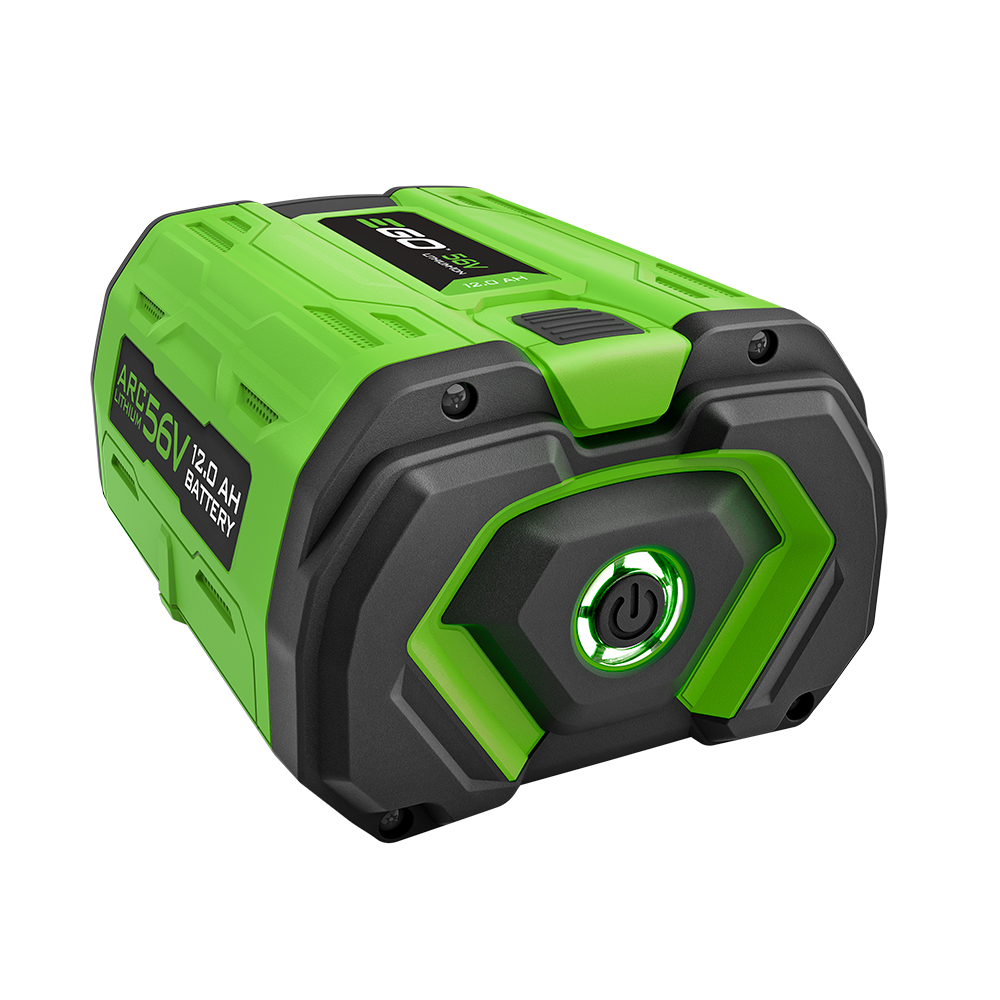
Large-capacity lithium-ion packs like EGO’s 56V 12Ah battery highlight why battery platform quality and pack size matter for mower runtime and long-term ownership.
Typical battery lifespan
For most cordless lawn mowers using lithium-ion batteries, you can expect a few years of usable life before noticeable decline. In practical terms, many owners start to notice reduced runtime before total failure.
Typical homeowner use: around 3 to 5 years
Heavy use or poor storage: shorter lifespan
Good care and moderate use: sometimes longer
How long does one charge last?
A single charge can last anywhere from about 20 minutes to over an hour, depending on battery size, mower power demands, grass thickness, and yard conditions. Runtime drops faster in tall, wet, or dense grass.
What shortens battery life?
storing batteries in extreme heat or freezing temperatures
leaving the battery fully depleted for long periods
very frequent heavy-load mowing
using incompatible or poor-quality chargers
age and repeated charge cycles
How to make mower batteries last longer
Store them indoors in moderate temperatures
Charge them with the recommended charger
Avoid leaving them empty for long periods
Clean mower blades and keep the mower efficient
Do not force the mower through overly tall grass every time
A built-in charge indicator makes it easier to avoid deep depletion and plan mowing sessions before runtime drops too far.
Are replacement batteries expensive?
Yes, they can be. Replacement batteries are one of the biggest ownership costs of cordless mowers. That is why platform choice matters: if you already own tools in the same battery system, the value improves a lot.
Final verdict
Most lawn mower batteries last long enough to make cordless mowers worthwhile, but they are not forever. If you store them well and use them normally, 3 to 5 years is a realistic expectation before meaningful performance drop becomes part of the ownership equation.
Yes — for most homeowners, cordless lawn mowers are now worth it. They are quieter, cleaner, easier to start, and easier to live with than gas mowers. For small to medium residential lawns, they are often the best overall option.
Modern cordless mower lineups cover everything from compact push models to stronger self-propelled options for typical home lawns.
Why cordless mowers are worth it for many people
Less maintenance: no gas, oil changes, spark plugs, or fuel storage.
Easier startup: push-button start is simpler than dealing with pull cords.
Lower noise: battery mowers are usually less annoying for both you and your neighbors.
Cleaner ownership: fewer smells, less mess, and easier storage.
When cordless mowers make the most sense
Cordless lawn mowers are especially worth it if you have a small or medium-size yard and want mowing to feel as low-friction as possible. They are also a strong fit if you already own other tools on the same battery platform.
Best fit: typical home lawns, homeowners replacing older gas mowers, buyers who value convenience
A modern cordless mower like the EGO LM2236SP shows why battery models now feel practical for many homeowners: strong cut quality, simple startup, and no gas handling.
When cordless may not be the best choice
Cordless mowers are not perfect for every situation. If you have a very large yard, extra-thick grass, or want unlimited runtime without battery swaps, some gas mowers may still make more sense. Budget can also be a factor, since good cordless mowers often cost more upfront than basic corded models.
very large lawns may need more battery capacity
premium battery systems can be expensive
runtime matters more if you mow heavy growth
Are they better than gas?
For many buyers, yes. Gas still has advantages in some heavy-duty cases, but the average homeowner benefits more from the easier ownership experience of cordless. The biggest shift is not just power — it is convenience over time.
Are they better than corded electric mowers?
Usually yes, because they avoid the biggest downside of corded models: cable management. Corded electric mowers can still be a good budget option for very small lawns, but cordless is more flexible and pleasant to use.
Final verdict
Cordless lawn mowers are worth it for most homeowners. If your lawn is small to medium and you want the best mix of performance, convenience, and lower maintenance, cordless is usually the right place to start.
Most people overcomplicate buying a lawn mower. The right mower is not the one with the biggest deck, the most aggressive marketing, or the most features. It is the one that matches your yard, your budget, your storage space, and your tolerance for maintenance.
If you get that wrong, you feel it every week. You end up dragging around too much machine, fighting with a cord in a yard that is too awkward for it, or paying premium money for features you barely use. This guide will help you avoid that.
A cordless mower lineup is a good reminder that deck size, handle layout, and battery platform can matter just as much as raw power when you choose for a real yard.
Step 1: Start with yard size
Yard size should be the first filter because it eliminates a lot of bad options quickly.
Tiny yard: reel mower or compact electric mower
Small yard: corded or cordless walk-behind mower
Small to medium yard: cordless mower starts to make the most sense
Medium yard: self-propelled cordless mower is often the sweet spot
Large yard: riding mower, zero-turn, or a very capable battery/gas setup depending on layout
A lot of buyers overspend because they imagine edge cases instead of buying for their actual normal routine.
Step 2: Decide how much hassle you can tolerate
This matters more than people admit. Gas mowers can still work well, but they come with friction: fuel, oil, storage, winter prep, pull starts, noise, and extra maintenance. If you hate hassle, do not talk yourself into gas just because that used to be the default.
For most homeowners, cordless is now the easiest all-around answer. Corded can also be low-hassle if your yard is small and simple. Reel is the lowest-maintenance option of all, but only if your lawn size and grass type make it practical.
Step 3: Look at your yard layout, not just its size
Two yards can be the same size and need completely different mowers.
Ask yourself:
Do you have tight corners?
Do you have trees, beds, and obstacles?
Do you have slopes?
Do you have one simple rectangle or a fragmented layout?
If your layout is awkward, cords become more annoying and maneuverability becomes more important. If your lawn is hilly or uneven, self-propelled drive becomes much more attractive.
Step 4: Be honest about your grass
Not all lawns are equally demanding. Thick, fast-growing grass pushes you toward better-powered cordless or gas options. Light, well-maintained grass gives you more freedom to choose cheaper or simpler tools.
If your lawn gets shaggy quickly, do not buy the weakest possible mower and expect it to feel good. If your grass is light and you mow frequently, you can often get away with a smaller and cheaper solution.
Step 5: Think about storage
Storage is one of the easiest things to ignore when buying and one of the most annoying things to regret later. A bulky mower in a cramped garage or shed becomes a recurring irritation.
If space is limited, look for:
folding handles
compact deck size
lightweight design
multi-use tools for tiny lawns
Step 6: Pick the mower type that fits your reality
Cordless mowers
Best for: most homeowners.
Why choose one:
easy to start
low maintenance
quiet compared with gas
best balance of convenience and performance
Main downside: higher upfront cost.
Corded electric mowers
Best for: small, simple lawns and tighter budgets.
Why choose one:
lower cost
simple ownership
no battery issues
Main downside: dealing with the cord.
Reel mowers
Best for: tiny, flat lawns with frequent mowing.
Why choose one:
very low cost of ownership
quiet
no fuel, battery, or electricity needed
Main downside: not good for thick, tall, or neglected grass.
Reel mowers make the most sense when the lawn is small, flat, and kept on a tight mowing schedule.
Gas mowers
Best for: certain larger or heavier-duty use cases.
Why choose one:
long-established power and runtime
still useful in some demanding scenarios
Main downside: more maintenance, more noise, more friction.
Step 7: Decide whether self-propelled is worth it
If your lawn is more than tiny, self-propelled drive is often worth paying for. It reduces fatigue, especially on slopes or larger areas, and makes the chore less annoying. If your lawn is very small and flat, you can probably skip it.
A good rule: the larger or harder your yard feels, the more valuable self-propulsion becomes.
Step 8: Consider the battery ecosystem
If you are buying cordless, the mower is only part of the decision. The battery platform matters too. If the same batteries power a blower, trimmer, hedge trimmer, or chainsaw, your overall yard setup becomes easier and more economical over time.
This is one reason premium cordless brands can make sense. You are not just buying a mower. You are potentially buying into a tool system.
Common mistakes people make
Buying too much mower for a tiny lawn
Choosing gas out of habit instead of need
Ignoring storage constraints
Underestimating how annoying a cord can be in a complex yard
Buying the cheapest mower for thick, fast-growing grass
Overpaying for premium features they will barely use
Best mower by situation
Best for most people: cordless mower
Best for budget small yards: corded electric mower
Best for tiny lawns: reel mower or compact electric mower
Best for slopes and more demanding yards: self-propelled cordless mower
Bottom line
The best lawn mower is the one that matches your real yard and your real habits. Most people should start with cordless. Budget buyers with small lawns should look hard at corded models. Tiny-lawn owners should not ignore reel mowers.
If you buy based on your actual use instead of outdated assumptions, you will probably spend less and enjoy mowing more.
Disclosure: This page contains affiliate links. As an Amazon Associate, LawnMowerGeek may earn from qualifying purchases at no extra cost to you. Read our affiliate disclosure.
The best budget lawn mower is not the absolute cheapest machine you can click on. It is the mower that keeps your lawn under control without creating new problems in the form of weak performance, awkward storage, constant frustration, or a replacement purchase a few months later.
For most buyers, “budget” should mean good enough for the yard you actually have. If your lawn is small and flat, you can save a lot by choosing a simpler mower category. If your yard is bigger, thicker, or more uneven, going too cheap often backfires.
Quick picks
Best budget cordless pick: a compact entry-level battery mower for small suburban lawns
Best budget corded pick: a corded electric mower for very small yards near power
Best budget reel pick: a manual reel mower for tiny, flat, regularly maintained lawns
Best value stretch pick: a better-built cordless mower if you can spend a little more to avoid upgrading later
What “budget” should mean in this category
Budget mowers make the most sense when the yard itself is forgiving. Small lawns, light grass, short mowing sessions, and easy storage needs all make it easier to buy down without sacrificing too much. The mistake most buyers make is trying to force a very cheap mower into a yard that really needs more deck size, more runtime, or easier propulsion.
That is why the best budget lawn mower depends on the type of yard first and the sticker price second.
Best budget lawn mower for most small yards
For most small-yard homeowners, a light entry-level cordless mower is the best budget answer. It gives you the convenience of push-button startup, lower noise, and easier storage without asking you to deal with extension cords or gas maintenance.
This type of mower is usually best when your lawn is small enough that you do not need maximum runtime and when you care more about convenience than raw power. It is also a better fit for buyers who want a more modern ownership experience and may eventually add a matching blower or trimmer from the same battery platform.
Best for: small lawns, homeowners who want convenience, buyers who want to avoid gas maintenance.
EGO LM2135SP official product image from EGO, representing the kind of stronger value-focused cordless mower that makes sense when you can stretch a budget a bit.
Best cheap mower for the lowest upfront cost
If your top priority is spending as little as possible, a corded electric mower still deserves consideration. Corded mowers are not glamorous, but they can be very cost-effective on a small, simple yard close to an outlet. You do not pay for a battery platform, and you do not have to worry about runtime.
The tradeoff is obvious: the cord can be annoying. If your yard has trees, narrow passages, or several obstacles, the low price can stop feeling like a bargain pretty quickly.
Best for: very small yards, simple layouts, buyers who are comfortable managing a cord.
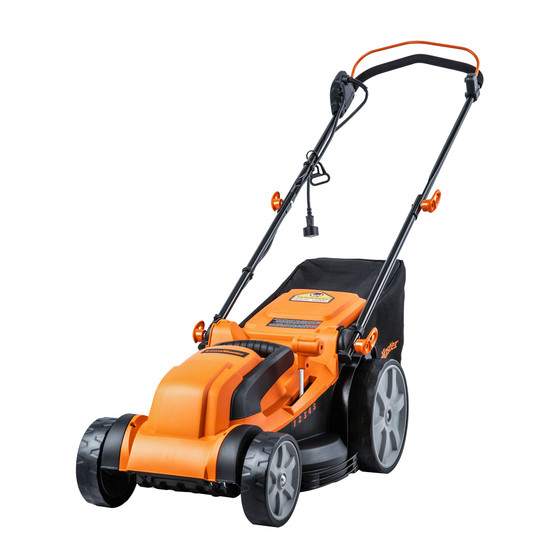
LawnMaster MEB1216K official product image from LawnMaster, a useful visual example of the low-cost corded mower category for very small yards.
Best budget mower for tiny lawns
If your lawn is truly tiny and you mow regularly, a reel mower may be the cheapest smart option. A good reel mower is quiet, simple, and inexpensive to own. It can be a very sensible solution for small, flat lawns where the grass is kept short.
But it is not the right answer for everyone. Taller grass, rougher terrain, and larger yards make reel mowing much less attractive.
Best for: tiny lawns, low budgets, buyers who want simplicity and low noise.
A basic reel mower remains one of the smartest true-budget options when the yard is tiny, flat, and kept under control.
When spending a bit more is the smarter budget move
Sometimes the cheapest mower is not the best budget mower. If you have a medium-size yard, slightly thicker grass, or mild slopes, spending a bit more on a better cordless mower can save money in the long run because you are less likely to outgrow it or replace it early.
This is especially true if you already know you dislike cords, want easier mowing, or plan to buy other battery-powered yard tools. A slightly higher upfront price can produce much better long-term value.
A stronger cordless mower helps show what buyers gain when a small budget stretch avoids landing in the wrong category altogether.
How to choose a budget lawn mower
1. Match the mower to your yard size
Small yards can tolerate lighter-duty mowers. Medium yards usually need more runtime, more cutting width, or both.
2. Be honest about cord tolerance
Some buyers save money happily with a corded mower. Others hate it after the first few uses. Budget buying works best when you are realistic about that tradeoff.
3. Think beyond purchase price
A mower that is cheap but frustrating is not necessarily good value. Ease of use matters because mowing is repeated, not one-and-done.
4. Avoid overspending on features you do not need
Tiny flat lawns usually do not need self-propelled drive, oversized decks, or premium power.
Who should buy a budget lawn mower?
homeowners with small or very small lawns
buyers who want to keep upfront cost under control
people replacing an old basic mower for straightforward weekly mowing
anyone whose yard does not justify a premium machine
Who should skip the budget category?
buyers with medium or large yards that demand longer runtime
people mowing thick or overgrown grass regularly
homeowners who strongly value premium comfort and self-propelled performance
anyone who already knows a very basic mower will feel underpowered for their property
If you want to see how a pricier cordless upgrade compares in real-world terms, read our EGO LM2236SP review.
Final verdict
The best budget lawn mower is usually the one that matches a small, manageable yard without overcomplicating the job. For many buyers, that means a simple cordless mower. For the tightest budgets, corded electric and reel mowers can still make real sense when the lawn is small enough.
The key is not chasing the lowest price blindly. It is buying the cheapest mower that still feels like the right tool for your lawn.
Disclosure: This page contains affiliate links. As an Amazon Associate, LawnMowerGeek may earn from qualifying purchases at no extra cost to you.
Disclosure: This page contains affiliate links. As an Amazon Associate, LawnMowerGeek may earn from qualifying purchases at no extra cost to you. Read our affiliate disclosure.
If you have a large yard, the wrong mower becomes annoying fast. Bigger lawns punish weak runtime, narrow cutting widths, and machines that feel fine for 15 minutes but frustrating after half an hour. The best lawn mower for a large yard should cut efficiently, handle longer sessions, and save effort instead of creating more of it.
For most homeowners with a large suburban lawn, a quality cordless self-propelled mower is now the best place to start. For very demanding properties, thicker grass, or lots approaching half an acre and beyond, gas models and higher-capacity battery platforms still deserve consideration.
Best lawn mowers for large yards: quick picks
Best overall: EGO Power+ LM2236SP
Best value option: EGO LM2135SP
Best gas benchmark: Honda HRX217-class mowers
Best for lighter large-yard use: Greenworks higher-voltage self-propelled models
1. EGO Power+ LM2236SP — Best overall
The EGO LM2236SP is one of the strongest fits for large yards because it offers premium cordless performance, self-propelled drive, and the kind of cutting power that makes battery ownership feel realistic even when you have more ground to cover. It is especially appealing for homeowners who want to move away from gas without stepping down in usability.
Best for: large residential lawns where you want premium cordless performance and lower maintenance
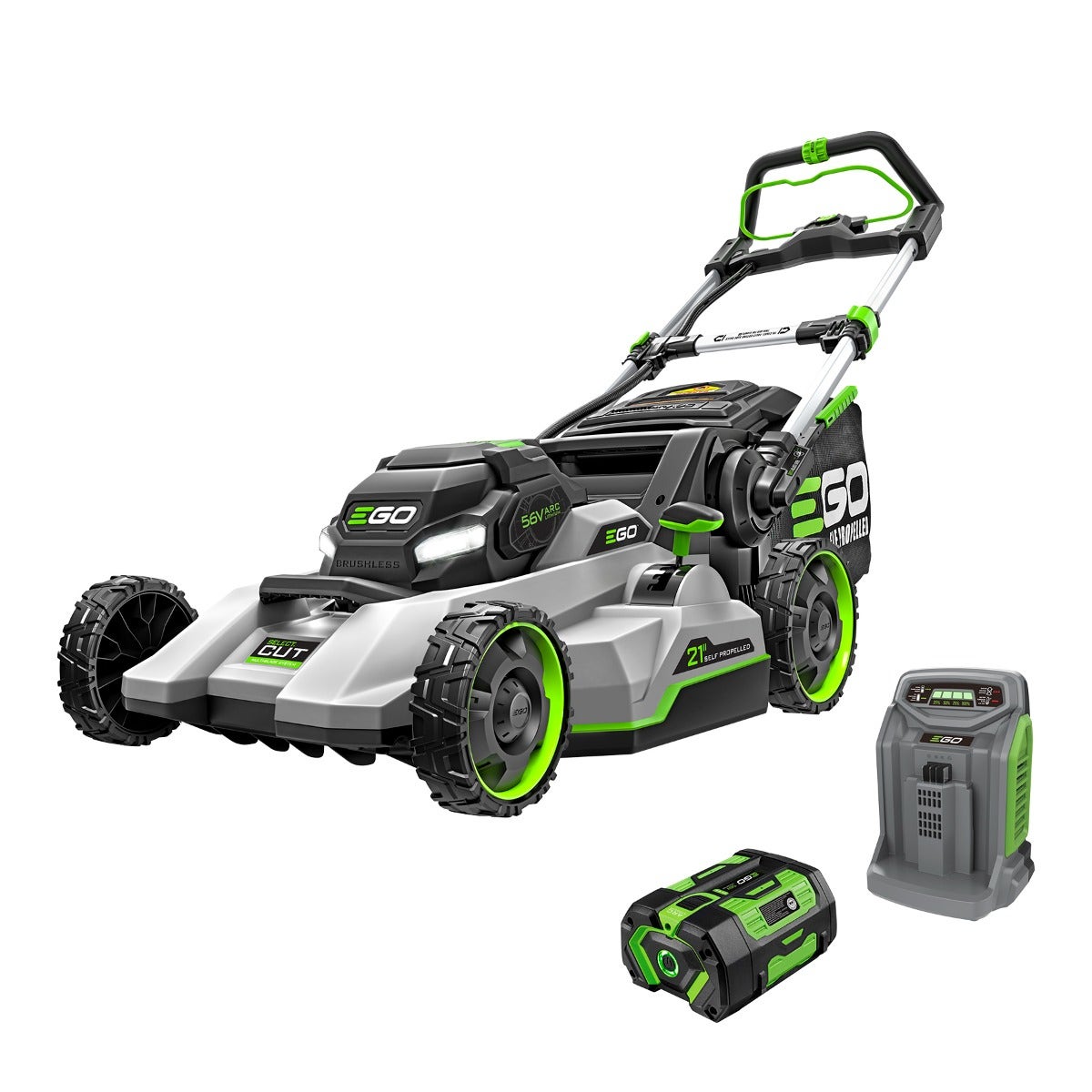
EGO Power+ LM2236SP official product image from EGO, a strong fit for large yards that need cordless power and self-propelled convenience.
2. EGO LM2135SP — Best value option
The EGO LM2135SP is a strong large-yard choice if you want self-propelled convenience and a proven battery platform without going all the way to a flagship price. For many homeowners, it offers the best balance between performance, runtime, and overall cost.
Best for: homeowners who want a capable self-propelled cordless mower with better value than a top-tier flagship
EGO LM2135SP official product image, useful for homeowners who want a more value-focused large-yard mower on the EGO platform.
3. Honda HRX217-class mowers — Best gas benchmark
Gas is no longer the automatic default, but it still has a place on bigger properties. A Honda HRX217-class mower remains relevant for buyers who prioritize long mowing sessions, strong performance in thick grass, and the ability to refuel quickly instead of waiting on batteries.
Best for: demanding large-yard owners who still prefer gas power and proven durability
4. Greenworks higher-voltage self-propelled models — Best lower-cost alternative
Greenworks offers large-yard-friendly self-propelled mowers that can make sense for buyers who want cordless convenience at a more approachable price. The exact best fit depends on deck width, included batteries, and whether the bundle is truly sized for your lawn rather than just marketed that way.
Best for: budget-conscious homeowners who want a cordless self-propelled mower for a moderately large lawn
What matters most in a large-yard mower?
Runtime: large yards expose weak battery bundles quickly.
Self-propelled drive: the bigger the lawn, the more valuable it becomes.
Deck width: a wider cut saves time on every mowing session.
Power in thick growth: large yards often include tougher sections that punish underpowered mowers.
Storage and battery ecosystem: cordless ownership makes more sense if you may add compatible tools later.
Should you choose cordless or gas for a large yard?
Large lawns expose weak battery bundles quickly, which is why runtime headroom matters much more here than it does on small suburban lots.
If your lawn is large but still clearly residential, cordless is often the better ownership experience now. You get easier starting, less maintenance, lower noise, and a cleaner day-to-day routine. But if your property is very large, your grass gets overgrown often, or you simply do not want to think about runtime management, gas can still be the more practical answer.
A simple rule: if you mow regularly and want convenience, start with premium cordless. If your mowing sessions are long, heavy, and infrequent, gas remains worth considering.
A stronger cordless platform matters more on large yards because deck size, battery compatibility, and upgrade headroom all affect long-term ownership.
For most homeowners, the EGO Power+ LM2236SP is the best lawn mower for a large yard because it combines strong cutting performance, self-propelled ease, and a better long-term ownership experience than gas. If you want a more value-focused option, the EGO LM2135SP is a smart place to look. And if your yard is especially demanding, a Honda HRX217-class gas mower still deserves respect.
Disclosure: This page contains affiliate links. As an Amazon Associate, LawnMowerGeek may earn from qualifying purchases at no extra cost to you.